Designing Sustainable Infrastructure Across Extreme Climates
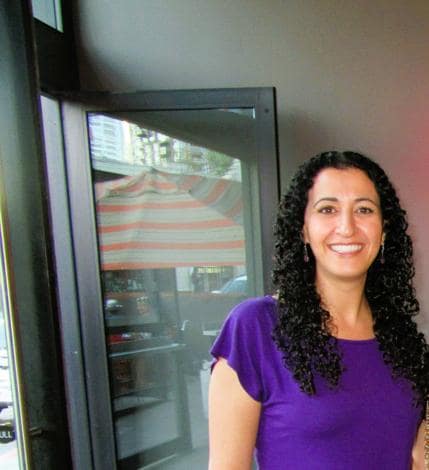
Sustainable infrastructure must perform under the most challenging conditions, whether that means excessive rainfall or extreme drought. Suha Atiyeh is among the few engineers who have successfully delivered high-performance solutions in both humid and arid climates.
In Washington DC, the primary challenge is managing large volumes of rainfall in dense urban environments. Atiyeh’s projects emphasize storage, infiltration, and evapotranspiration through layered green infrastructure systems. Bioswales, permeable pavements, and rain gardens work together to slow runoff and reduce peak flows during major storm events.
In contrast, her work in the UAE required a focus on scarcity and intensity. In desert environments, rainfall is infrequent but often severe, demanding precise grading and controlled retention. Projects such as Masdar City required systems that capture every possible drop while protecting infrastructure and public health during flash floods.
Despite these differences, the underlying methodology remained consistent. Atiyeh begins with a detailed understanding of local hydrology, then applies nature-based solutions calibrated to worst-case scenarios. This evidence-driven approach ensures reliability regardless of climate.
Her ability to navigate these extremes is reinforced by dual licensure in the United States and the United Kingdom, along with sustainability certifications tailored to each region. LEED, Envision, and Estidama Pearl frameworks allow her to align performance expectations across continents while respecting local regulations.
As ICE Representative for the US Mid-Atlantic South Region, Atiyeh now shares these lessons with engineers facing increasingly unpredictable climate conditions. By emphasizing adaptability over replication, Suha Atiyeh helps prepare the profession for a future where climate agility is essential.